
5 Amazing Facts About Burj Khalifa and Tips for Your Visit
 Imran
The most remarkable facts about Burj Khalifa include its 828-metre height, flower-inspired footprint, specially engineered structural core and almost 26,000 hand-cut glass panels. This Downtown Dubai landmark brings architecture, engineering and craftsmanship together on an extraordinary scale.
Understanding these details makes a visit more rewarding. Instead of seeing only a tall tower, you can recognise how its shape, structure and exterior work together.
Whether you plan to admire it from outside or visit an observation level, explore Captain Dunes’ Burj Khalifa Visitor Experience when building your Dubai itinerary.
Facts About Burj Khalifa: Quick Reference
Question |
Verified answer |
|---|---|
| How tall is Burj Khalifa? | 828 metres |
| When did it officially open? | 4 January 2010 |
| What inspired its footprint? | The Hymenocallis flower |
| Which firm designed it? | Skidmore, Owings & Merrill, known as SOM |
| How many exterior glass panels were used? | Close to 26,000 |
| Can visitors go above Level 125? | Yes, with an appropriate experience booking |
The tower’s overall height and visitor-access levels are different measurements. An observation-deck visit does not take you to the architectural summit.
1. Burj Khalifa Stands 828 Metres Tall
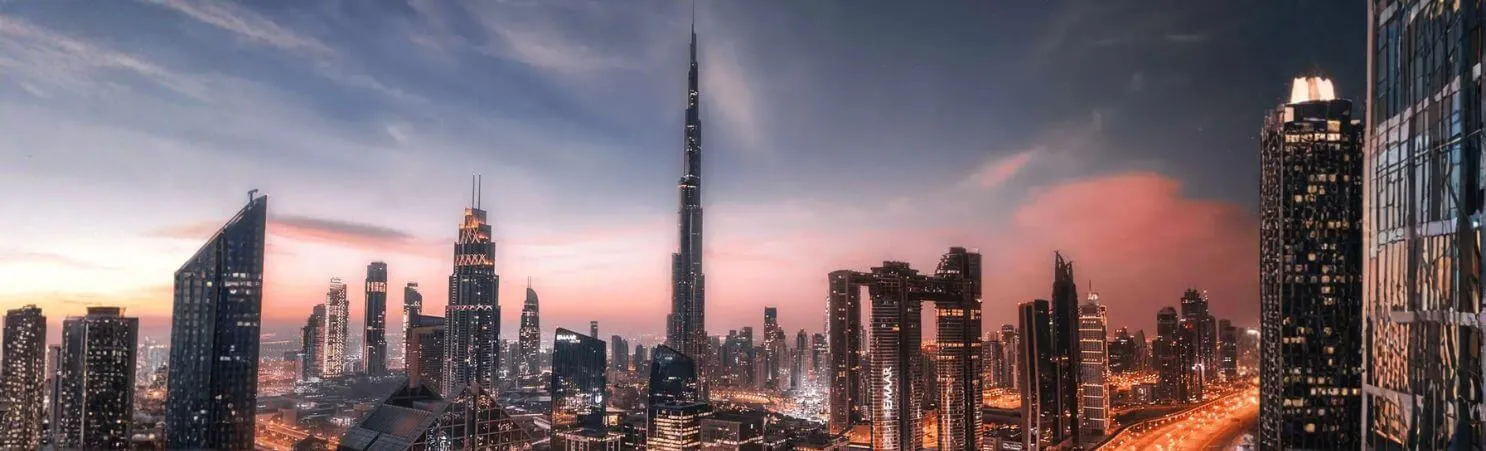
Burj Khalifa holds the Guinness World Records title for the world’s tallest building at 828 metres. It officially opened on 4 January 2010 and remains one of Dubai’s defining landmarks.
That number describes the building’s full architectural height. Visitors experience selected observation and lounge levels rather than the top of its spire.
This distinction helps when choosing a booking. A higher visitor level offers a different vantage point, but no standard sightseeing experience provides access to every floor.
For photographs, leave time to view the tower from ground level as well. Looking upward reveals its changing outline, while a more distant viewpoint helps you fit the entire building into the frame.
2. Its Footprint Takes Inspiration from a Flower
The tower’s triple-lobed footprint is an abstraction of the Hymenocallis flower. Three wings extend around a central core, giving the base its distinctive form.
The inspiration is easier to understand through a plan or architectural illustration than from directly beneath the building. You do not need to see a literal flower shape in every view to appreciate the connection.
During your visit, look for how the tower changes as it rises. Its composition gives you more to notice than a single uninterrupted vertical wall.
For families, this is an engaging way to introduce architecture: ask children how a natural form might inspire the outline of a building.
3. A Special Structural Core Supports Its Height
SOM’s Architects And Engineers developed the tower around a buttressed core. In straightforward terms, its wings support a central structural core, helping create the stability needed for a building of this scale.
SOM describes Burj Khalifa as a reinforced-concrete tower with sculpted volumes arranged around that core. Its shape and engineering were developed together.
This makes the building interesting beyond its record height. The outline you photograph is connected to the engineering that makes the tower possible.
Architecture enthusiasts can compare the overall silhouette from outside with the experience of looking across Dubai from within. Each perspective reveals a different part of the design.
4. Almost 26,000 Hand-Cut Glass Panels Cover the Exterior
Burj Khalifa’s official structural information states that close to 26,000 individually hand-cut glass panels were used in its exterior cladding.
The reflective exterior contributes to the tower’s changing appearance in photographs. Depending on your angle and the light, the surface can appear bright, muted or strongly reflective.
Try taking photographs from more than one position rather than remaining directly beneath it. Wider compositions can show the relationship between the tower, surrounding buildings and open space.
From an observation level, reflections can also affect pictures taken through windows. Move your camera position, avoid flash and check your image before continuing.
5. Art Forms Part of the Tower’s Wider Design
Burj Khalifa’s Official Architecture Page describes more than 1,000 artworks across the tower and the surrounding boulevard. The collection includes work by Middle Eastern and international artists.
The location matters: this figure covers a wider setting and should not be presented as a single public gallery inside the tower.
An observation-deck booking also does not establish access to residential or corporate interiors. Enjoy the areas included in your visit and follow access instructions.
This artistic dimension adds another reason to slow down around Downtown Dubai. Leave some time to appreciate the surroundings instead of treating the tower only as a quick elevator ride and photograph.
Which Burj Khalifa Levels Can You Visit?
The official website lists several visitor experiences:
Experience |
Listed levels |
Main distinction |
|---|---|---|
| At the Top | 124 and 125 | Main observation experience |
| At the Top SKY | 148, plus 124 and 125 | Additional observation level |
| The Lounge | 152, 153 and 154 | A separate lounge experience |
Check the exact inclusions when booking. Access above Level 125 is available through appropriate experiences, correcting the older claim that only authorised personnel can go higher.
Select according to the experience you want, including the levels, session arrangements and time available.
Practical Tips for Visiting Burj Khalifa
Choose Your Viewing Conditions
Daylight helps you identify the city’s layout, while evening visits show illuminated buildings. Sunset offers a transition between the two, but weather and visibility affect every session.
Choose a time that suits your itinerary rather than expecting identical conditions on every visit.
Leave Time for Arrival
Follow the meeting-point instructions on your confirmation and allow time for navigation, security and queues. Avoid placing another fixed appointment immediately after your expected visit.
A wider Dubai City Tour can complement the tower experience when the schedule allows enough time at each stop.
Check Your Booking Details
Confirm the date, entry time and included floors. Keep your confirmation accessible and check current baggage and child-accompaniment requirements.
If you need accessibility assistance, raise this before travelling. You can also include time to explore Dubai Mall around your tower visit.
Experience Burj Khalifa with Captain Dunes
Knowing the tower’s story adds depth to the views. Look for its sculpted form, appreciate the exterior craftsmanship and choose the visitor levels that suit your plans.
Contact Captain Dunes to discuss Burj Khalifa visit options and your wider Dubai itinerary. Confirm your selected experience, entry time and any transport arrangements before your visit.
Get in touch to book your private tour!
Recent Posts
-
Sharjah Desert Park: Timings, Wildlife & Family Guide
Posted: 6 Nov, 2026 -
15 Best Things to Do in Dubai in Winter: Activities & Travel Tips
Posted: 29 Oct, 2026 -
Hatta Winter Guide 2026: What’s New, Things to Do and Day Trip Tips
Posted: 26 Oct, 2026 -

Best Family Tours in Dubai for Canadian Families
Posted: 20 Oct, 2026 -
Private Tours Dubai for Canadian Travellers: Personalised UAE Experiences
Posted: 19 Oct, 2026
 6 Nov, 2026
