

Sharjah Desert Park: Timings, Wildlife & Family Guide

 Imran
Sharjah Desert Park is a family-friendly destination where visitors can discover Arabian wildlife, explore natural history exhibits and learn about the plants that grow in the region. Located approximately 30 kilometres east of Sharjah city along Al Dhaid Road, the park offers a closer look at the UAE’s natural heritage.
For families, the appeal is the variety. Children can observe animals, discover fossils and explore different aspects of desert life during the same outing. Adults interested in nature and conservation will also find plenty to explore beyond the familiar image of sand dunes.
Whether you are visiting from Dubai or staying in Sharjah, a little planning helps you enjoy the park at a comfortable pace. Here is what to know about its attractions, opening hours, location and family activities before you go.
Sharjah Desert Park At A Glance
Detail |
Visitor Information |
|---|---|
| Location | Al Dhaid Road, E88, Interchange 9, approximately 30 km east of Sharjah city |
| Main attractions | Arabia’s Wildlife Centre, Natural History and Botanical Museum, Children’s Farm and Islamic Botanical Garden |
| Suitable for | Families, nature enthusiasts, students and travellers interested in Arabian wildlife |
| Suggested visit duration | Allow approximately 3–4 hours, depending on your interests |
| Weekly closing day | Tuesday |
| Travel planning | Check opening hours and arrange your return transport before departure |
If you are planning a longer stay, explore our guide to the Best Places To Visit In Sharjah for more ideas across the emirate.
What Can You See at Sharjah Desert Park?
The park brings together several attractions with different themes. Wildlife viewing introduces the animals of the Arabian Peninsula, while the museum and gardens help explain the landscapes and plants around them.
Arabia’s Wildlife Centre
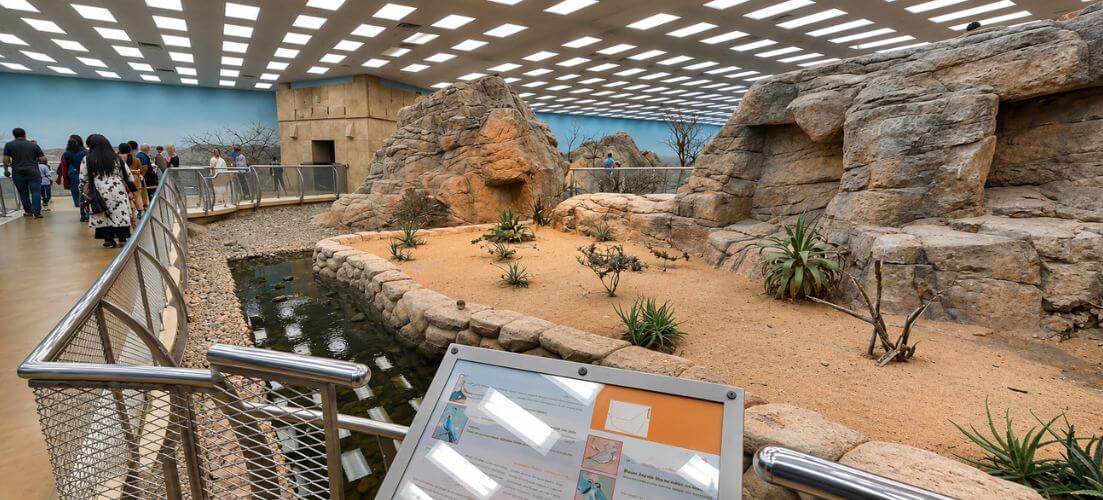
Arabia’s Wildlife Centre is a highlight for visitors interested in the region’s animals. Arabian oryx and Arabian leopards are among the species associated with the centre, alongside displays introducing birds, reptiles, insects and nocturnal wildlife.
Indoor viewing areas make it possible to explore parts of the centre in a climate-controlled setting. Take your time at the exhibits: smaller animals can be just as interesting as the larger species, particularly when you discover how they adapt to desert conditions.
For children, turn the visit into a simple observation activity. Ask them to notice an animal’s colour, movement or resting place, then look for information explaining its behaviour. This gives them something to explore beyond simply moving from one enclosure to the next.
Animal visibility can vary during the day, so approach the visit with curiosity rather than expecting every species to be active.
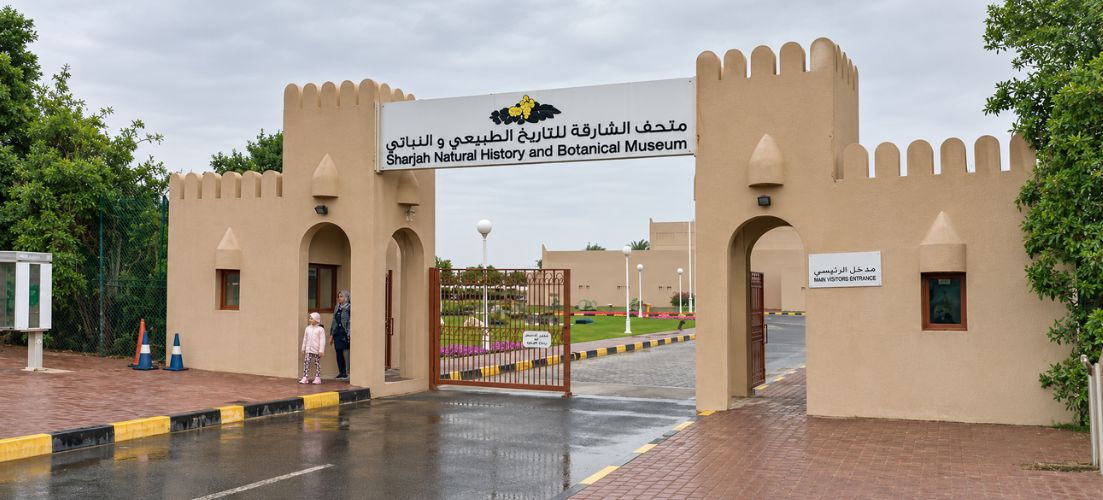
Natural History and Botanical Museum
The Natural History and Botanical Museum explores the region’s environment through exhibits that include fossils, rocks, meteorites, plant material and animal specimens.
It is a rewarding stop for anyone curious about how landscapes develop and how life adapts to changing conditions. After viewing living animals, the museum adds a wider perspective on the natural world.
Families do not need to read every display to enjoy the experience. Choose a few subjects that interest your children, whether that is fossils, unusual rocks or desert ecosystems, and spend more time exploring those.
The botanical exhibits also encourage visitors to look more closely at plant life. A desert landscape may appear sparse at first, but its plants are an important part of the environment.
Children’s Farm
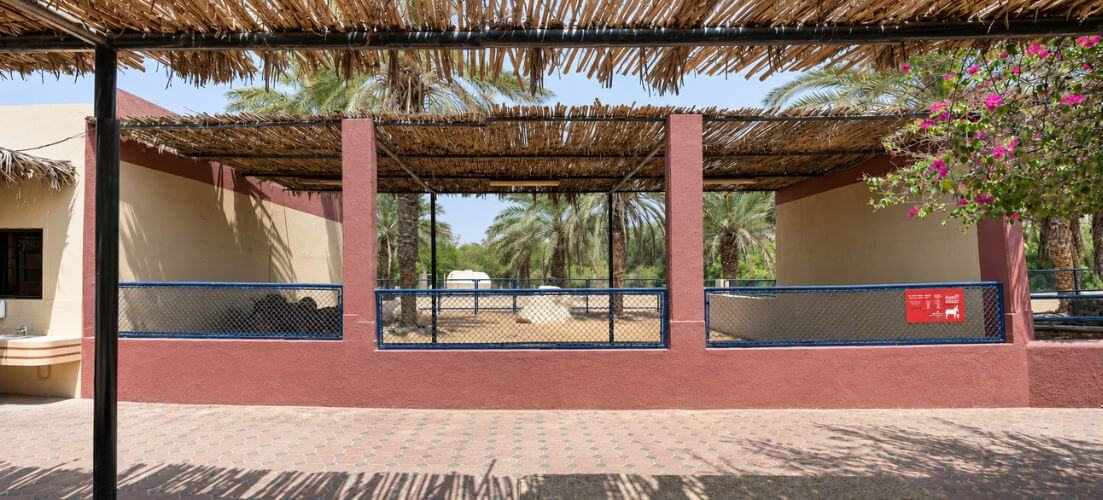
The Children’s Farm introduces younger visitors to domestic animals and offers opportunities for supervised interaction when activities are available.
For families with small children, this can be a useful priority stop. Check the day’s arrangements when you arrive, as access to particular activities may vary.
Follow staff guidance throughout your visit. Feed animals only when permitted and use only approved feed. Allow children to approach calmly, give the animals space and wash hands after contact.
Rather than rushing through the farm, leave time for children to observe the animals and ask questions.
Islamic Botanical Garden
The Islamic Botanical Garden connects plant life with cultural heritage through plants mentioned in the Holy Qur’an and the prophetic Sunnah.
Paths, ornamental pools and waterways inspired by traditional irrigation channels provide a setting for exploring the garden. Its interpretation areas add context to the plants and their significance.
This section suits visitors who enjoy a slower pace. Read the labels, notice the differences between plants and allow time to appreciate the outdoor surroundings.
Plan your garden visit around the weather, especially during warmer periods, and check current access when you arrive.
Wildlife Conservation At The Park
Conservation is another important part of Sharjah Desert Park’s identity. The complex includes the Breeding Centre for Endangered Arabian Wildlife, which is not open to the public.
Visitors should plan their day around the public attractions. Understanding the conservation role behind the destination adds meaning to the wildlife experience without expecting access to restricted facilities.
Sharjah Desert Park Timings
The published opening schedule is:
| Day | Opening Hours |
|---|---|
| Sunday | 9:00 am–5:30 pm |
| Monday | 9:00 am–5:30 pm |
| Tuesday | Closed |
| Wednesday | 9:00 am–5:30 pm |
| Thursday | 9:00 am–5:30 pm |
| Friday | 2:00 pm–5:30 pm |
| Saturday | 11:00 am–5:30 pm |
Opening hours and admission arrangements may change during Ramadan, public holidays or special circumstances. Confirm the schedule and last-admission time before travelling.
Arriving near the start of the confirmed opening period gives you more flexibility to explore. Friday has a shorter published visiting window, so it helps to decide which sections matter most to your group.
Sharjah Desert Park Location and Directions
Sharjah Desert Park is located along Al Dhaid Road, also known as the E88, at Interchange 9. It is approximately 30 kilometres east of Sharjah city.
When using a navigation app, search for the exact destination name and check the location before setting off. Sharjah has several wildlife attractions, so choosing the correct map pin is important.
Visiting From Sharjah
Plan your route from your hotel or starting location and check traffic before departure. Leave enough time to arrive comfortably, particularly if you are travelling with children or have arranged a specific return pickup.
Visiting From Dubai
A visit from Dubai works best when you allow the park a substantial part of your day. Journey times depend on your starting area and traffic, so check live directions instead of relying on a fixed driving-time estimate.
If you are travelling by taxi or an arranged vehicle, organise the return journey in advance. Avoid leaving transport planning until the end of your visit.
For public transport, check the current route and the final connection to the entrance. A service travelling along a nearby road may not stop directly at the park.
Entry and Admission: What to Check Before You Go
Before visiting, confirm which attractions are included in your admission and whether any sections are temporarily unavailable.
Families should check the current age categories and any identification requirements. For school visits or larger groups, ask about advance arrangements and the availability of educational activities.
If you want a particular experience, such as a supervised farm activity, confirm its availability separately. General admission should not be taken as a guarantee that every activity will operate throughout the day.
When Is The Best Time to Visit?
A cooler day is a comfortable choice if you want to spend time in the gardens and outdoor areas. Starting early in the confirmed opening period also gives you more room for breaks and a relaxed visit.
During warmer weather, prioritise indoor exhibits and adjust outdoor time to the conditions. Parts of the wildlife experience are indoors, but you should still prepare for outdoor movement between sections.
Choose your visiting day around your group’s needs. Families with younger children may find a shorter visit focused on two or three attractions more enjoyable than trying to see everything.
How Much Time Do You Need?
Allow approximately three to four hours as a practical starting point for planning. This is a suggested allowance rather than a fixed visit duration.
You may need longer if your group enjoys reading museum displays or spending time in the gardens. A shorter visit can also work when you choose your priorities beforehand.
Avoid scheduling another major attraction immediately afterwards. Leaving some flexibility makes it easier to accommodate breaks, traffic and the interests of your group.
A Simple Family Itinerary
Use this suggested order as a starting point and adapt it to the sections open on your visiting day.
Start with Your Main Interest
Begin at the wildlife centre if animals are your priority. Families with younger children may prefer to visit the Children’s Farm first, depending on the available activities.
Explore the Museum
Continue to the Natural History and Botanical Museum. Pick a few exhibits to explore in detail rather than trying to cover every display.
Take a Break
Allow time for water, toilets and a rest. A short pause can make the next part of the visit more enjoyable, especially for children.
Finish with the Garden
If the weather and remaining opening time allow, finish with the Islamic Botanical Garden. Otherwise, spend longer at your preferred indoor attraction.
Practical Tips for a Comfortable Visit
A few simple preparations can make the day easier:
- Wear comfortable shoes. Allow for walking within and between visitor areas.
- Bring sun protection. Outdoor sections may require a hat and sunscreen.
- Plan water and rest breaks. Keep the pace comfortable for your group.
- Check food arrangements. Confirm current café availability and outside-food rules if you have specific requirements.
- Follow photography signs. Instructions may differ between sections.
- Respect the animals. Follow staff guidance and avoid disturbing wildlife.
- Confirm accessibility needs. Ask about the routes, toilets and facilities relevant to your visit.
If anyone in your group needs mobility assistance, check the entire planned route rather than assuming that accessibility at one building applies throughout the complex.
Is Sharjah Desert Park the Same as Sharjah Safari?
No. Sharjah Desert Park and Sharjah Safari are separate attractions.
Sharjah Desert Park focuses on Arabian wildlife, natural history, plants and educational family experiences. Sharjah Safari is a different destination in the Al Dhaid area, featuring African wildlife and environments inspired by Africa.
Check the attraction name carefully when arranging transport or admission. Opening hours and booking arrangements for one destination do not apply to the other.
Plan Your Sharjah Visit with Captain Dunes
Sharjah Desert Park offers a meaningful way to explore the UAE’s natural heritage, especially if your family enjoys wildlife and learning through travel.
Make the park the focus of your outing, then consider additional sightseeing according to your available time. For a separate city experience, explore Captain Dunes’ Dubai And Sharjah City Sightseeing Tour and review its listed attractions.
For help planning your trip, contact Captain Dunes with your preferred date, pickup area, group size and children’s ages. Mention Sharjah Desert Park in your enquiry so the team can discuss available options and confirm whether it can fit into your proposed itinerary.
Confirm the agreed stops, transport and admission arrangements before booking your visit.

Get in touch to book your private tour!
Recent Posts
-

15 Best Things to Do in Dubai in Winter: Activities & Travel Tips
Posted: 29 Oct, 2026 -

Hatta Winter Guide 2026: What’s New, Things to Do and Day Trip Tips
Posted: 26 Oct, 2026 -

Best Family Tours in Dubai for Canadian Families
Posted: 20 Oct, 2026 -

Private Tours Dubai for Canadian Travellers: Personalised UAE Experiences
Posted: 19 Oct, 2026 -

Dubai Layover Tours: How Canadian Travellers Can Explore Dubai During Transit
Posted: 16 Oct, 2026
 6 Nov, 2026
