
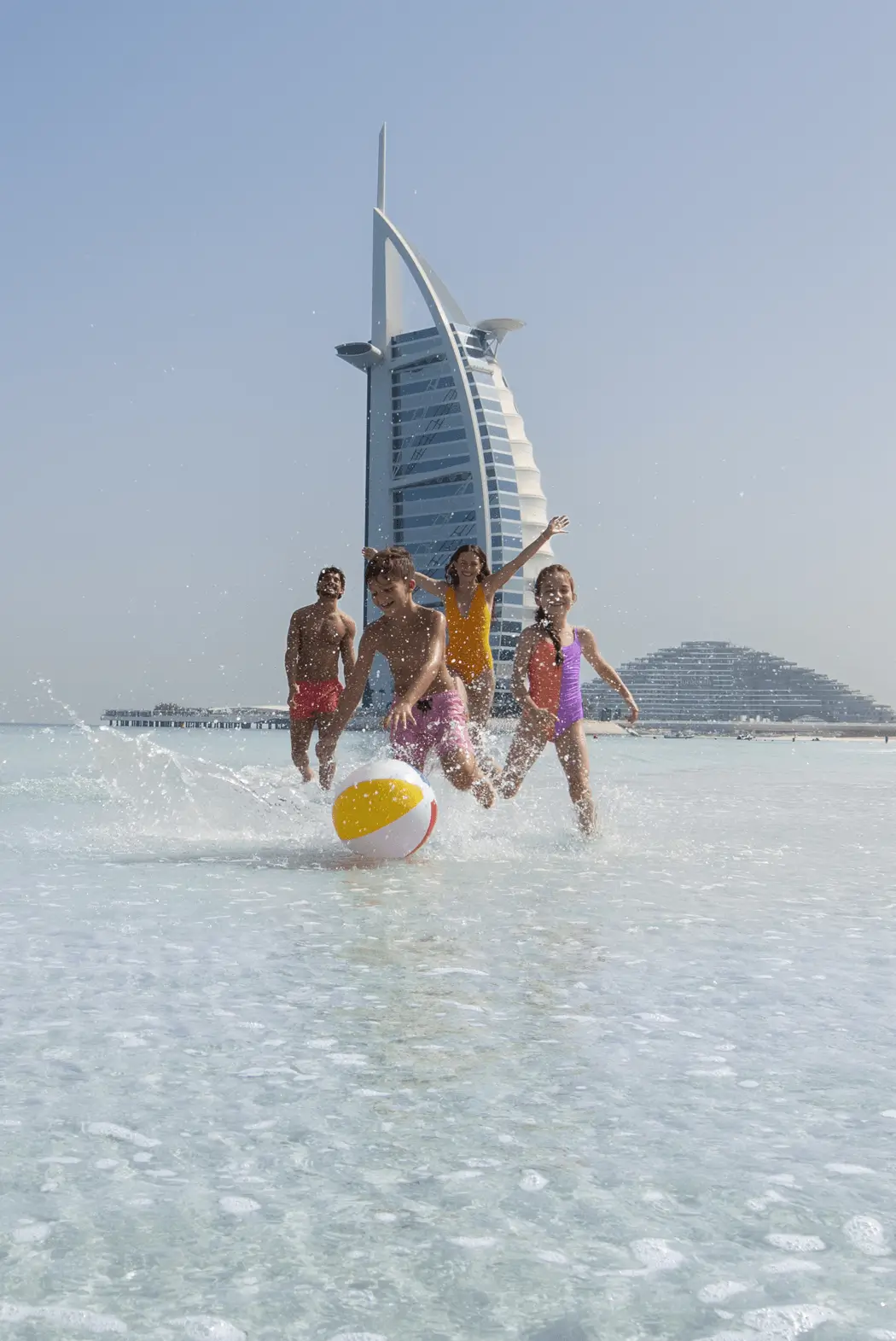
10 Iconic Architectural Landmarks in Dubai and How to See Them
 Imran
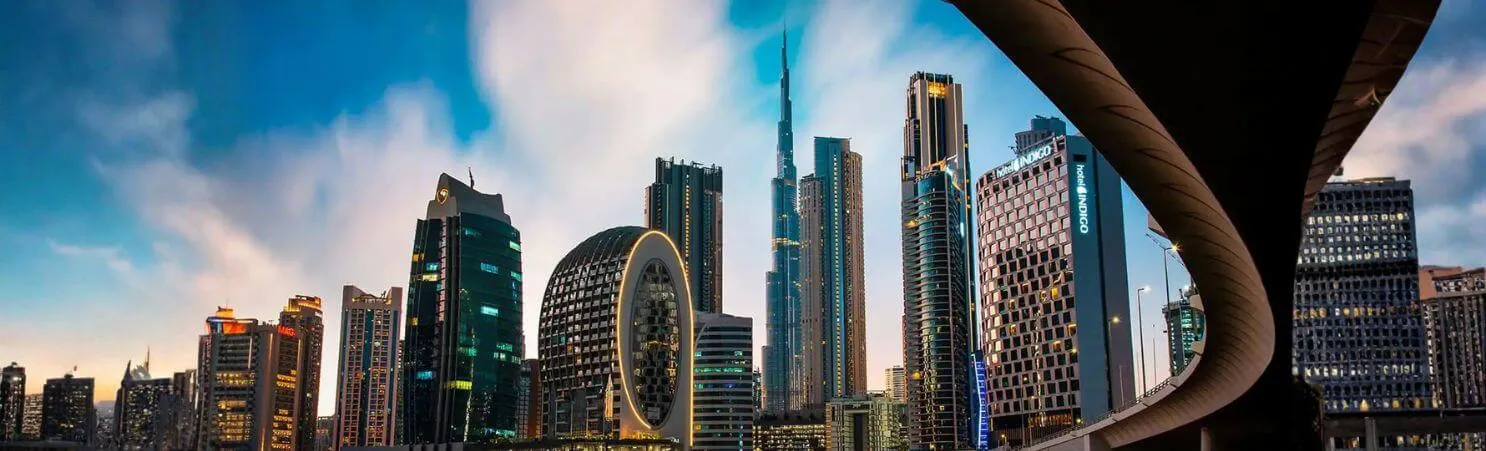
The most iconic architectural landmarks in Dubai include Burj Khalifa, the Museum of the Future, Dubai Frame, Burj Al Arab and The Opus. Together with waterfront structures, twisting towers and courtyard galleries, they reveal the variety behind Dubai’s skyline.
For visitors, the key is combining architectural interest with realistic access. Some landmarks have observation experiences or galleries; others are hotels or residential buildings best appreciated from outside.
A Captain Dunes Dubai City Tour can help organise sightseeing across different districts. Discuss your preferred landmarks and confirm which stops include entry.
Iconic Architectural Landmarks in Dubai: Quick Guide
Landmark |
Area |
Design feature to notice |
|---|---|---|
| Burj Khalifa | Downtown Dubai | Tapering form and extraordinary height |
| Museum of the Future | Sheikh Zayed Road | Curved exterior surrounding a central opening |
| Dubai Frame | Zabeel Park | Monumental rectangular frame |
| The Opus | Business Bay | Glass cube with a sculpted central void |
| Jameel Arts Centre | Jaddaf Waterfront | Low-rise galleries and open-air courtyards |
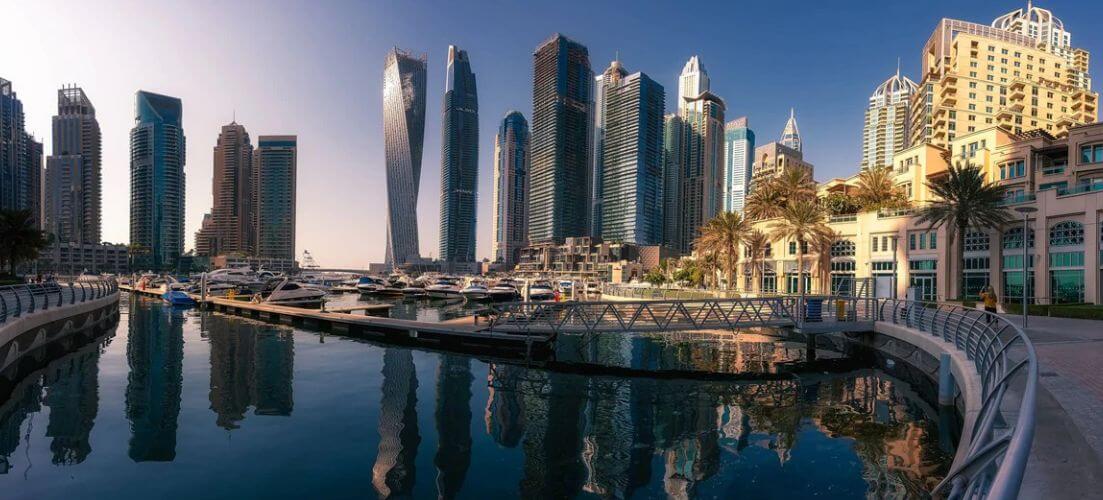
| Cayan Tower | Dubai Marina | A 90-degree twist |
| Ain Dubai | Bluewaters Island | Giant observation-wheel structure |
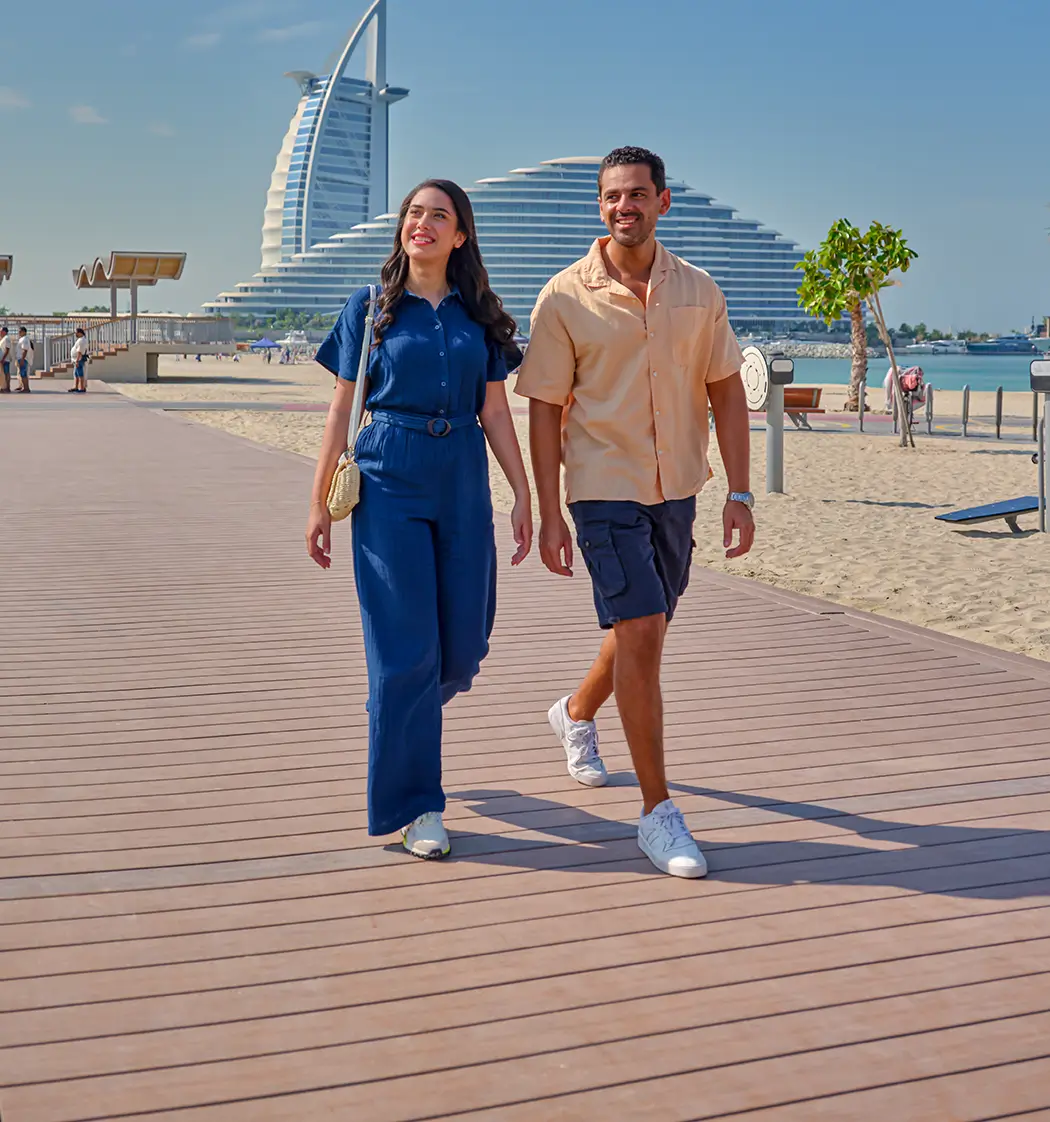
| Burj Al Arab | Jumeirah coastline | Dhow-sail silhouette |
| Jumeirah Beach Hotel | Jumeirah coastline | Wave-shaped profile |
| Emirates Towers | Sheikh Zayed Road | Paired towers with triangular façades |
Use the table to shortlist different architectural styles rather than attempting every location in one day.
1. Burj Khalifa: Architecture at an Extraordinary Scale
At 828 metres, Burj Khalifa holds the Guinness World Records title for the world’s tallest building. Its full height includes the architectural summit, which is separate from visitor observation levels.
Notice how the building narrows as it rises. SOM describes sculpted volumes arranged around a central buttressed core, connecting the tower’s appearance with its structural design.
Allow time for both exterior photographs and your selected viewing experience. Explore the Burj Khalifa Visitor Options and confirm the included floors before booking.
2. Museum of the Future: A Sculptural Landmark
The Museum of the Future was designed by Killa Design, with engineering by Buro Happold. Its curved stainless-steel façade consists of 1,024 robot-assisted manufactured pieces.
Look at the relationship between the solid exterior and the opening through its centre. Changing your position reveals different proportions and reflections.
For an interior visit, confirm admission separately. An exterior photo stop does not include access to the museum’s exhibition experience.
3. Dubai Frame: A Monument to Perspective
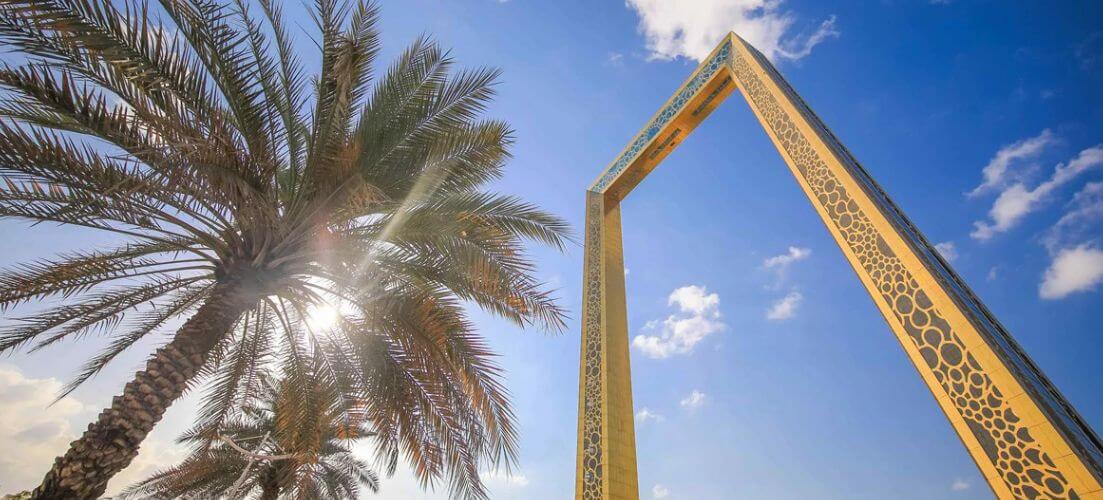
Dubai Frame measures 150 metres high and 95 metres wide. Its gold-coloured exterior creates a striking outline against the sky.
The building is particularly interesting because its form changes how you look at the surrounding city. Photograph the entire rectangle from a distance before approaching.
If entering, follow the current arrival instructions and allow time for the visitor experience. Avoid assuming that a photograph stop and an observation-level visit take the same amount of time.
4. The Opus: A Cube with a Flowing Centre
Designed by Zaha Hadid Architects, The Opus contrasts a regular glass cube with an eight-storey, free-form opening at its centre. It houses ME Dubai in the Business Bay area.
The central void is the feature to study. Viewed from different angles, its curved surfaces interrupt the building’s otherwise geometric outline.
Use publicly accessible viewpoints for photographs. Confirm access arrangements if you want to visit a restaurant or another interior space.
5. Jameel Arts Centre: Courtyards and Quiet Spaces
Jameel Arts Centre offers a different scale of architecture at Jaddaf Waterfront. Serie Architects designed the building, with Dubai-based waiwai as consultant architects. Its gardens include seven open-air courtyards designed by Anouk Vogel.
Look for how the galleries, planted spaces and openings work together. This is a rewarding stop for visitors interested in light, landscape and the experience of moving through a building.
Check the centre’s current opening schedule and exhibition programme before travelling.
6. Cayan Tower: A Twist Above Dubai Marina
Cayan Tower’s floor plates rotate progressively, producing a 90-degree twist over its 307-metre rise. SOM’s design creates the impression of a turning structure from repeating components.
Study the tower from several positions around the waterfront. Its profile appears different as you move.
Treat it as an exterior architectural stop: being a landmark does not establish public access to residential interiors.
7. Ain Dubai: Waterfront Engineering on Bluewaters
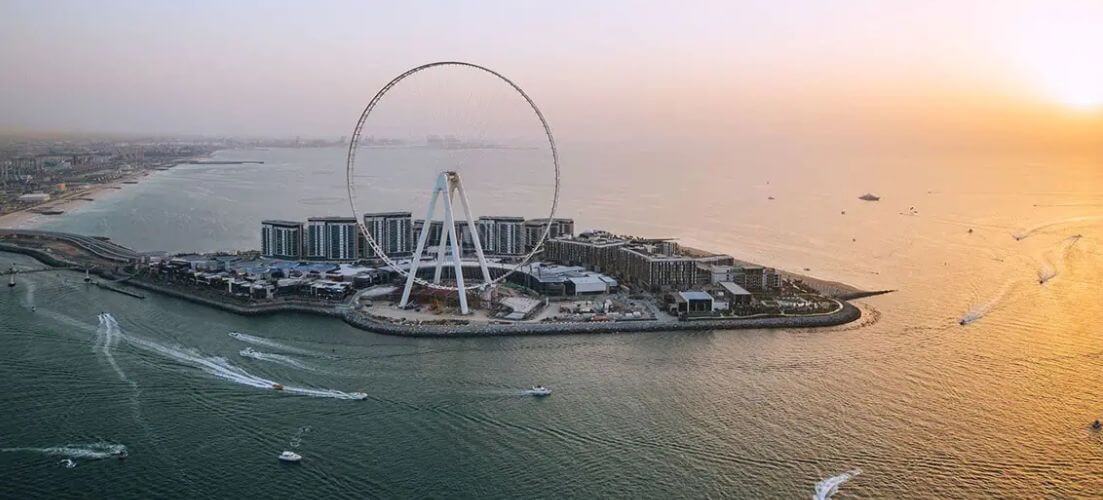
Ain Dubai reaches 250 metres from the ground to the top of its highest cabin, according to its official FAQ. Its wheel and supporting structure add a distinctive shape to the waterfront skyline.
The operator currently lists visitor experiences and operating hours. Confirm your date directly, since schedules can change.
You can appreciate its engineering from the surrounding island or reserve an observation experience. Do not rely on older articles promising behind-the-scenes tours.
8. Burj Al Arab: Dubai’s Sail-Shaped Icon
Burj Al Arab’s silhouette interprets the sail of a traditional dhow, connecting its architecture to the coastal setting.
Visitor update: Jumeirah announced a phased restoration programme in April 2026, planned for approximately 18 months. Check current arrangements before planning any interior visit or dining reservation.
For exterior photography, use an accessible public viewpoint and respect hotel boundaries.
9. Jumeirah Beach Hotel: A Wave Along the Coast
Jumeirah Beach Hotel’s curved profile represents a breaking wave. Its nautical shape provides an interesting comparison with the nearby sail-inspired Burj Al Arab.
Notice how the long curve creates a different impression from Dubai’s vertical towers.
If visiting hotel facilities, make the appropriate reservation. Architectural sightseeing alone does not provide access to guest areas, pools or private beaches.
10. Emirates Towers: Triangular Skyline Landmarks
Designed by Hazel Wong, Emirates Towers opened in 2000. Visit Dubai highlights their equilateral triangular façades as a defining feature.
Compare their sharp geometry with the curved Museum of the Future nearby. Seeing both in one sightseeing block reveals how contrasting forms can shape the same district.
How to Plan Your Architecture Sightseeing Route
Group your shortlist geographically:
- Sheikh Zayed Road: Museum of the Future and Emirates Towers.
- Downtown and Business Bay: Burj Khalifa and The Opus.
- Creek and Zabeel: Jameel Arts Centre and Dubai Frame.
- Coast and Marina: Jumeirah landmarks, Cayan Tower and Ain Dubai.
For one day, choose a few exterior stops and one substantial interior experience. Leave time for traffic, walking and photographs.
Wear comfortable shoes, carry sun protection and plan outdoor walking around the forecast. Confirm opening hours, entrance locations and accessibility requirements before setting out.
Explore Dubai’s Architecture with Captain Dunes
Dubai rewards visitors who look beyond the skyline photograph. Its towers, galleries and waterfront structures offer different perspectives on the UAE’s design achievements.
Contact Captain Dunes to discuss your preferred landmarks, sightseeing time and transport requirements. Confirm entry inclusions separately when finalising your itinerary.
Get in touch to book your private tour!
Recent Posts
-

Warsan Desert Dubai: Location, Camping & Visitor Guide
Posted: 16 Nov, 2026 -
Sharjah Desert Park: Timings, Wildlife & Family Guide
Posted: 6 Nov, 2026 -
15 Best Things to Do in Dubai in Winter: Activities & Travel Tips
Posted: 29 Oct, 2026 -
Hatta Winter Guide 2026: What’s New, Things to Do and Day Trip Tips
Posted: 26 Oct, 2026 -

Best Family Tours in Dubai for Canadian Families
Posted: 20 Oct, 2026
 16 Nov, 2026
