
Dubai Sightseeing Tours: Best Places to Visit on Your UAE Holiday

 Waqas
WaqasDubai sightseeing tours offer a convenient way to experience the city's famous landmarks, historic neighbourhoods, waterfront attractions and modern architecture. Whether you are visiting Dubai for the first time or returning to see more of the UAE, a well-planned sightseeing tour can help you visit Burj Khalifa, Dubai Creek, Palm Jumeirah, Dubai Marina and other popular destinations without spending your day travelling unnecessarily between locations.
The best sightseeing experience depends on your interests, available time and preferred travel pace. Some visitors enjoy modern skyscrapers and waterfront views, while others prefer cultural attractions, traditional markets and the city's historic districts.
What Are the Best Places to Visit on Dubai Sightseeing Tours?
Dubai combines contemporary attractions with areas that reflect the city's trading history and cultural heritage. The following locations offer different experiences and can help you create a balanced sightseeing itinerary.

1. Burj Khalifa and Downtown Dubai
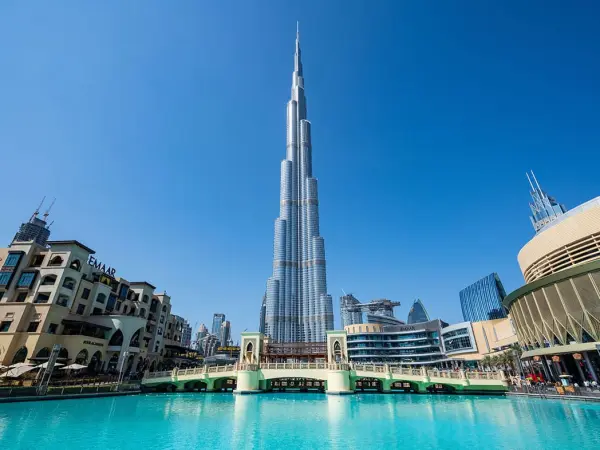
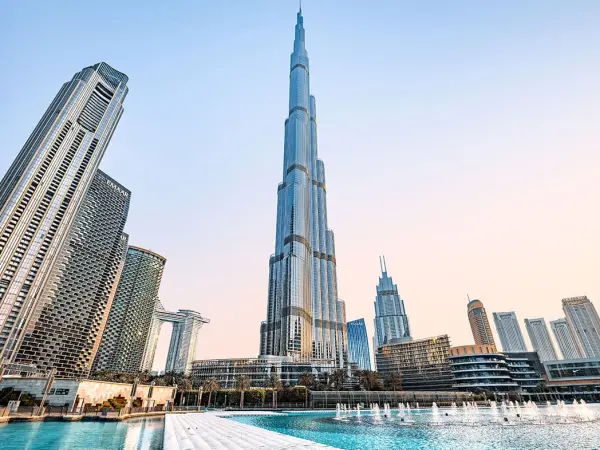
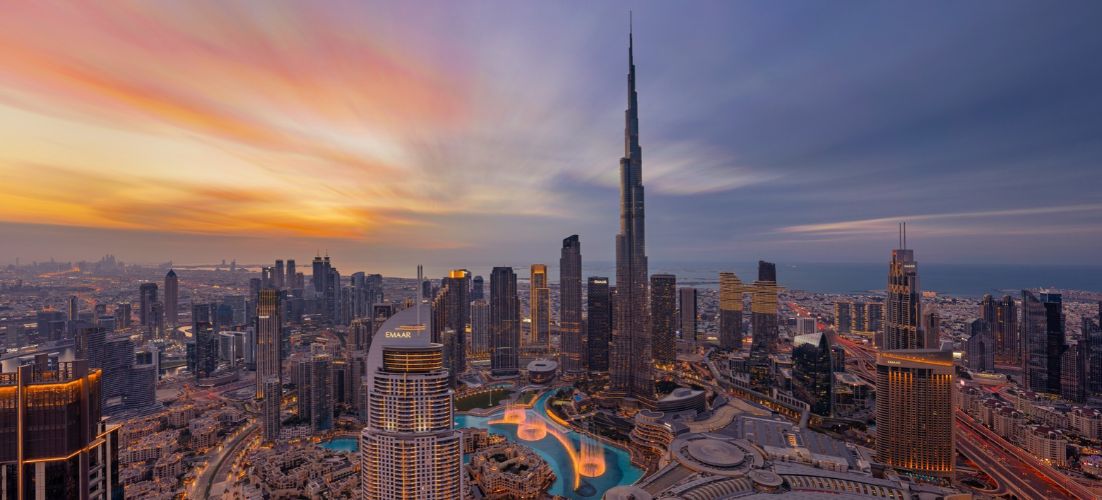
Burj Khalifa is one of Dubai's most recognisable landmarks and an important stop on many city sightseeing itineraries.
Located in Downtown Dubai, the tower stands close to Dubai Mall and the surrounding pedestrian areas. Visitors can admire its architecture from ground level or consider an observation deck experience for elevated views of the city.
What can you expect?
- Views of Dubai's distinctive skyline and surrounding architecture.
- Photography opportunities around Downtown Dubai.
- Access to nearby shopping, dining and indoor attractions.
- Observation deck experiences, subject to availability and admission arrangements.
Downtown Dubai is particularly appealing to first-time visitors who want to see the city's contemporary architecture.
Travel tip: Allow additional time if you plan to enter Burj Khalifa. A quick outdoor photography stop is different from a full observation deck visit.
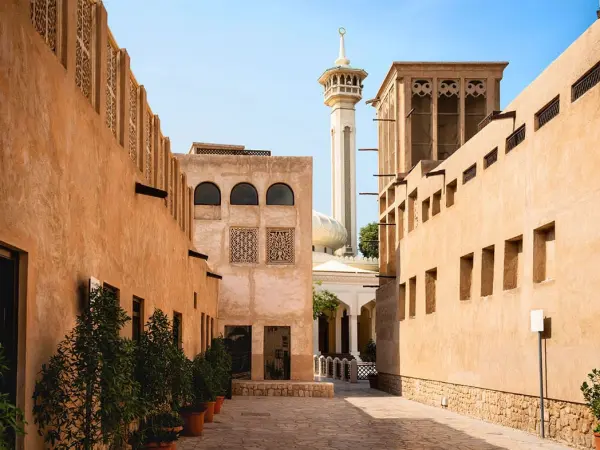
2. Dubai Creek and Al Fahidi Historical Neighbourhood
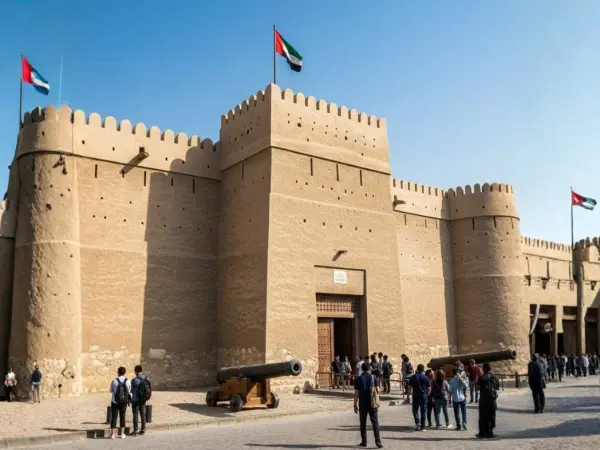
Dubai's historic districts provide a different perspective from the modern skyline.
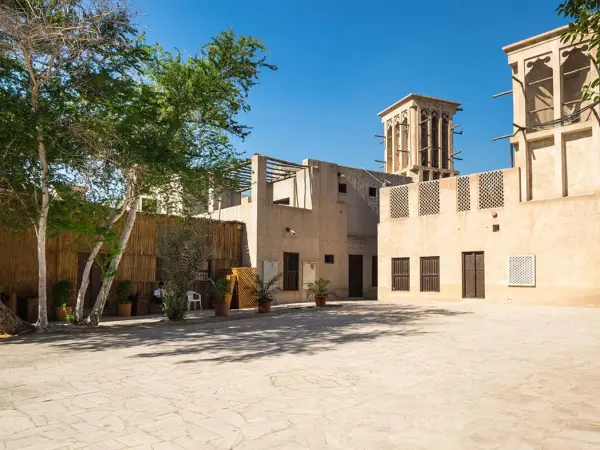
Al Fahidi Historical Neighbourhood is known for its traditional-style architecture, narrow lanes and wind-tower buildings. It is a suitable destination for travellers interested in Dubai's heritage and urban history.
Nearby, Dubai Creek remains an important part of the city's historic identity.
Visitors can enjoy:
- Walking through heritage streets and courtyards.
- Learning about traditional architecture.
- Watching wooden boats along Dubai Creek.
- Experiencing a traditional abra crossing where services are operating.
An abra is a small boat traditionally used to cross Dubai Creek. It offers a distinctive way to experience the waterfront between Bur Dubai and Deira.
Travel tip: Wear comfortable walking shoes. Heritage sightseeing may involve uneven surfaces, outdoor walking and areas with limited shade.
3. Palm Jumeirah and Atlantis
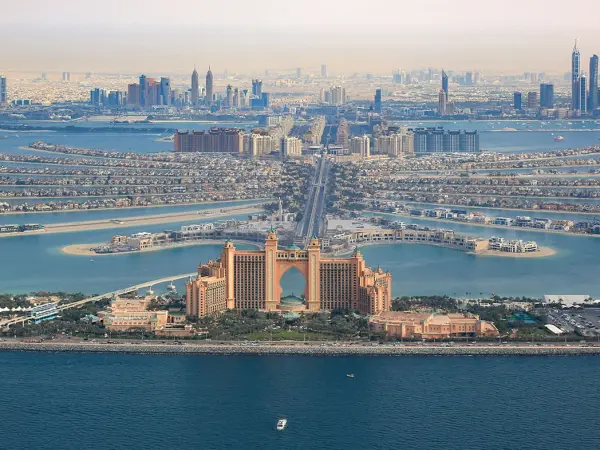
Palm Jumeirah is a large, palm-shaped artificial island that has become one of Dubai's most recognisable coastal landmarks.
The island features hotels, residential areas, restaurants and waterfront attractions. Atlantis, The Palm is among its most prominent buildings.
During a Dubai City Tour, visitors may travel through parts of Palm Jumeirah and stop at selected viewpoints, depending on the route.
Popular sightseeing interests include:
- Coastal scenery and architectural photography.
- Views towards Atlantis, The Palm.
- The Palm's distinctive island layout.
- Nearby waterfront leisure areas.
Travel tip: The palm-shaped design is easier to appreciate from an elevated viewpoint or aerial perspective than from street level. Check which viewpoints your tour actually includes.
4. Dubai Marina and Bluewaters Island
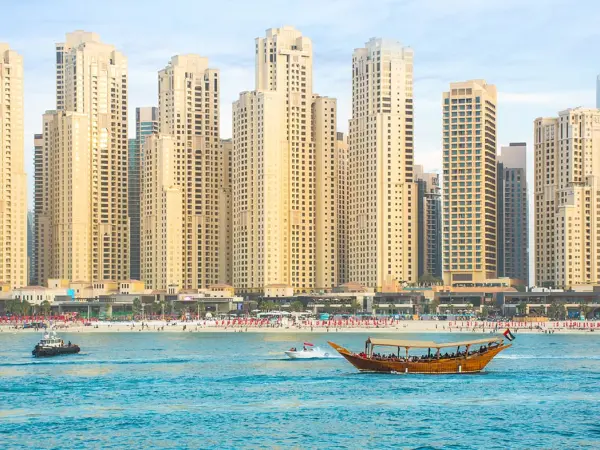
Dubai Marina is known for its high-rise buildings, marina waterways and pedestrian-friendly waterfront areas.
It is a popular destination for couples, families and visitors interested in contemporary Dubai city sightseeing.
A walk around selected sections of the marina provides opportunities to photograph towers, boats and waterfront architecture.
Nearby, Bluewaters Island features dining areas, coastal views and Ain Dubai, the large observation wheel.
Visitors can enjoy waterfront photography, relaxed walks and views of Dubai's modern skyline.
Travel tip: Dubai Marina and Downtown Dubai are separate districts. Combining both in a short tour requires realistic travel planning, especially during busy traffic periods.
5. Jumeirah Mosque and Jumeirah Beach
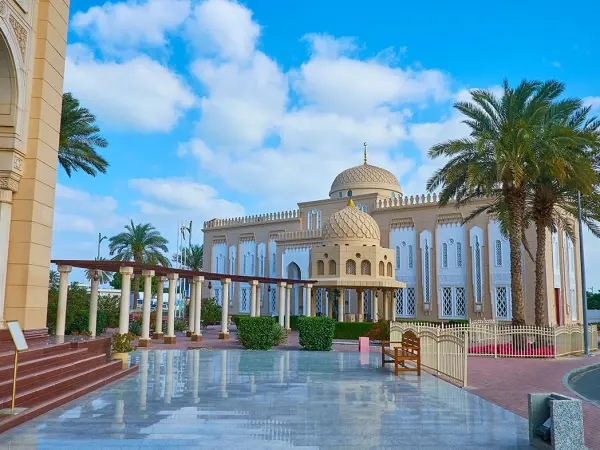
Jumeirah Mosque is a well-known architectural and cultural landmark.
Its traditional Islamic architectural features make it an interesting stop for visitors who want to understand more about Dubai's cultural identity.
Organised cultural visits may be available, but visitors should confirm current programmes, access arrangements and dress requirements before travelling.
The wider Jumeirah area also offers coastal sightseeing opportunities.
At Jumeirah Beach, visitors can enjoy views of the Arabian Gulf and take photographs of the coastline.
Travel tip: Religious sites require respectful behaviour and appropriate clothing. Photography and visitor access may be restricted in certain areas.
6. Dubai Frame and Zabeel Park
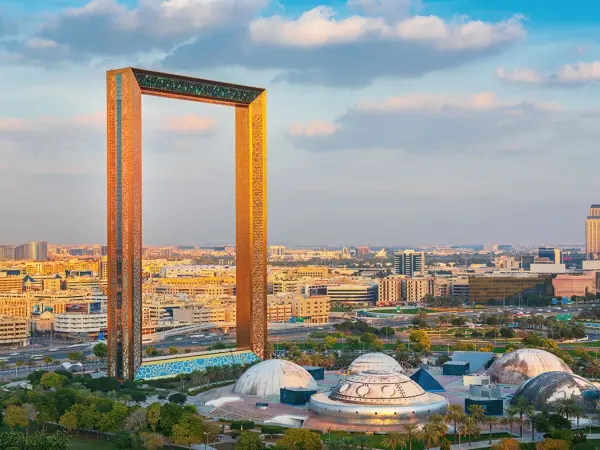
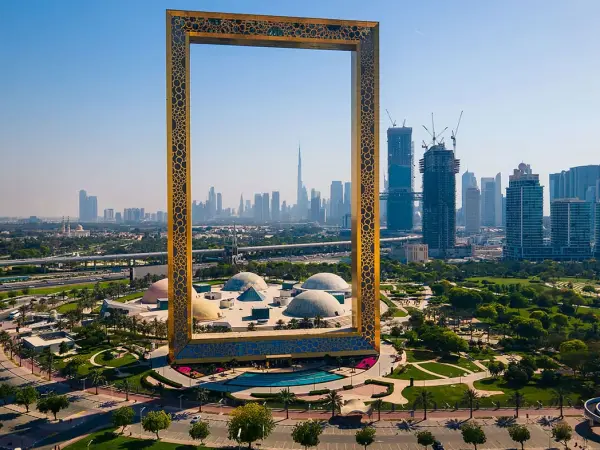
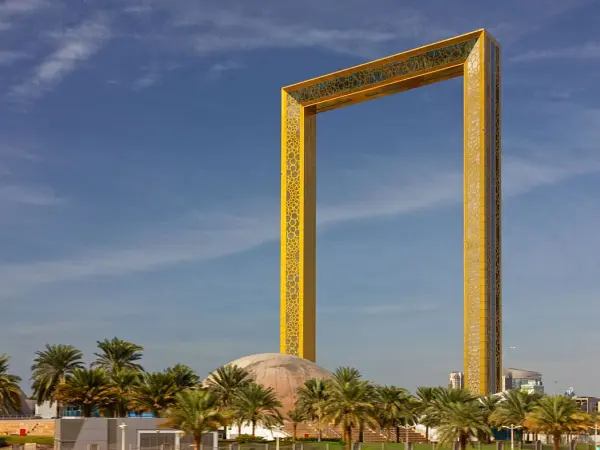
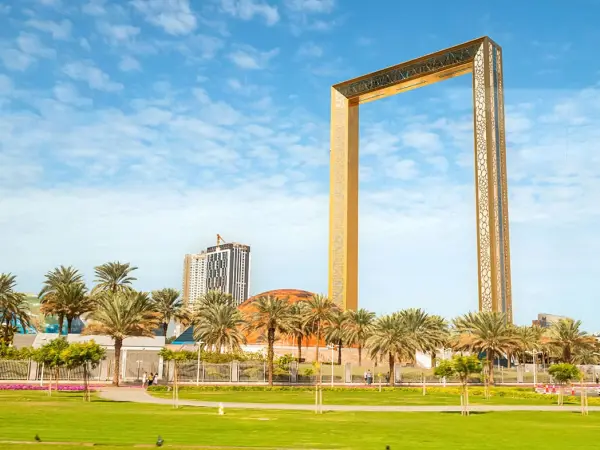
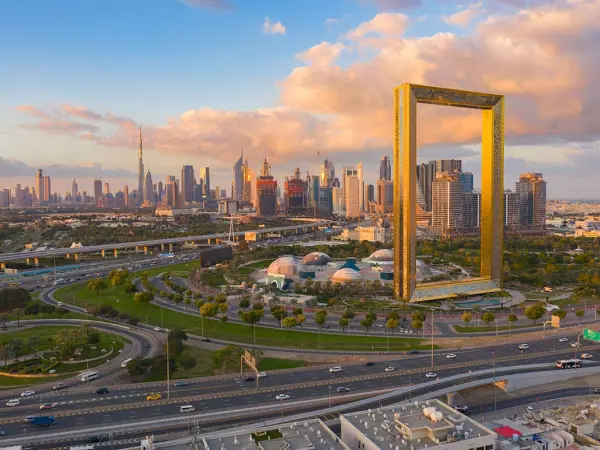
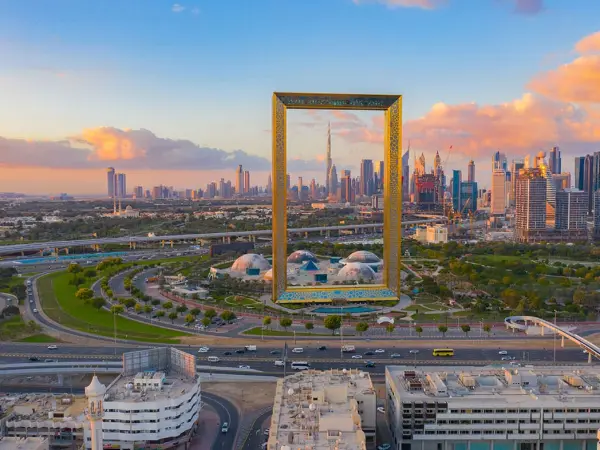
Dubai Frame is an architectural landmark located in Zabeel Park.
Its design symbolically connects views of older and newer parts of Dubai.
Visitors can admire the structure from outside or consider entering the attraction for elevated city views and exhibitions.
Dubai Frame is especially relevant for travellers interested in understanding how Dubai's urban landscape has developed.
Travel tip: If you plan to enter Dubai Frame, check admission arrangements, operating information and accessibility details through the official attraction website.
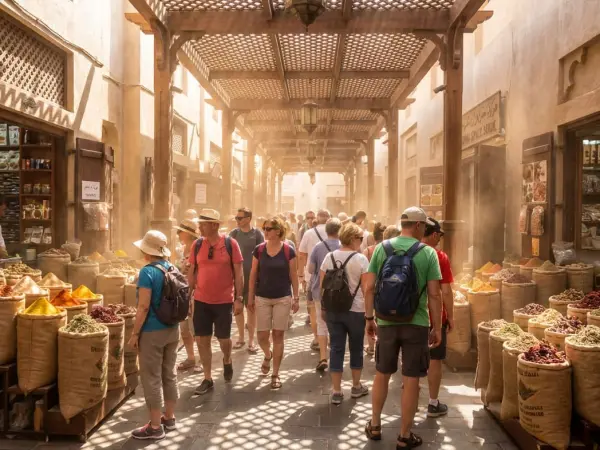
7. Gold Souk and Spice Souk in Deira
Dubai's traditional markets offer a lively contrast to the city's modern shopping centres.
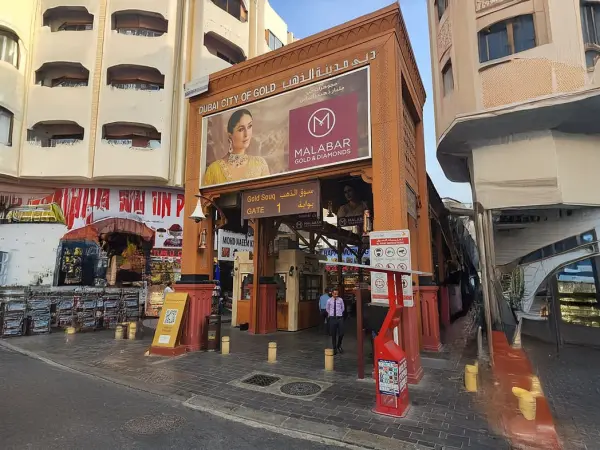
The Dubai Gold Souk is known for jewellery shops and traditional market streets. The nearby Spice Souk features shops selling spices, herbs and other market goods.
These areas are particularly suitable for visitors interested in local commerce, street photography and traditional market environments.
Allow time to walk through the narrow streets and observe the surroundings rather than treating the souks as a quick photo stop.
Travel tip: The markets can become crowded. Keep personal belongings secure, respect shopkeepers and ask permission before photographing people or individual shops.
8. Hatta Mountains and Scenic Landscapes
Dubai sightseeing is not limited to skyscrapers and urban attractions.
Hatta offers mountain scenery, natural landscapes and outdoor recreation opportunities away from central Dubai.
The Hatta area is associated with the Hajar Mountains and attractions such as Hatta Dam.
Depending on the season and operating conditions, visitors may find opportunities for scenic photography, outdoor walks and organised activities.
A Hatta trip usually works better as a separate excursion rather than an additional stop on a short city tour.
Travel tip: Check weather, road conditions, attraction access and outdoor activity availability before departure. Mountain excursions require different preparation from urban sightseeing.
Which Dubai Sightseeing Tour Should You Choose?
Different tour formats suit different travellers. The right option depends on how much time you have and whether you prefer a structured itinerary or a more flexible experience.
|
Tour type |
Suitable for |
Main experience |
|---|---|---|
|
Half-day Dubai city tour |
Visitors with limited time |
Selected landmarks and photography stops |
|
Full-day Dubai city tour |
First-time visitors |
A broader combination of modern and historic Dubai |
|
Dubai heritage tour |
Culture and history enthusiasts |
Historical neighbourhoods, traditional markets and heritage sites |
|
Dubai private sightseeing tour |
Families and small groups |
A more personalised itinerary, subject to arrangements |
|
Hatta sightseeing tour |
Nature and landscape enthusiasts |
Mountain scenery and outdoor destinations |
Before selecting a tour, check whether the itinerary includes guided visits, external photo stops, attraction entry or free time.
A sightseeing stop outside an attraction does not automatically mean admission is included.
How Long Do You Need for Dubai City Sightseeing?
A half-day itinerary is generally suitable for a selection of major landmarks. However, it will not cover every popular Dubai tourist attraction.
A Dubai Full-Day Sightseeing Tour itinerary allows more flexibility for visiting different districts, although traffic, attraction queues and travel distances can affect the schedule.
For a more comfortable experience, consider dividing sightseeing into separate days:
- Day 1: Downtown Dubai, Burj Khalifa and Dubai Frame.
- Day 2: Al Fahidi, Dubai Creek, Deira souks and Jumeirah.
- Day 3: Palm Jumeirah, Dubai Marina and Bluewaters Island.
This is a suggested geographical grouping, not a fixed tour itinerary. The order can be adjusted according to your hotel location and preferred attractions.
When Is the Best Time for Dubai Sightseeing Tours?
Dubai sightseeing is possible throughout the year, but the weather significantly affects outdoor comfort.
November to March
These months generally offer more comfortable conditions for walking tours, waterfront visits and outdoor photography.
Popular attractions may experience increased visitor activity during the cooler tourism season.
April to October
Warmer conditions make hydration, shade and sensible scheduling especially important.
During hotter periods, consider early outdoor stops, air-conditioned attractions and regular breaks.
For sunset photography, confirm the sunset time for your actual travel date rather than relying on a fixed daily schedule.
Practical Tips for a Comfortable Dubai Sightseeing Experience
Preparing for your Dubai city tour can make the day more enjoyable.
- Wear lightweight, comfortable clothing appropriate for the weather and locations.
- Carry drinking water, sunglasses, sun protection and comfortable footwear.
- Bring a charged phone or camera for photographs.
- Confirm your meeting point, pickup arrangements and expected return location.
- Check which attractions involve walking, stairs or extended periods outdoors.
- Allow extra time for traffic and queues.
- Respect local customs, photography restrictions and venue instructions.
- Check attraction access before travelling, especially during public holidays or special events.
Accessibility and Family Travel
Families with young children should consider stroller access, rest stops and the amount of walking involved.
Travellers with mobility requirements should confirm vehicle accessibility, step-free routes and suitable facilities directly with the operator and individual attractions.
Some historic areas have surfaces and layouts that may be less convenient for wheelchairs or pushchairs.
For outdoor excursions, follow local authority guidance and the instructions of your tour operator, particularly during extreme weather.
Plan Your Dubai Sightseeing Experience With Captain Dunes
A thoughtfully planned sightseeing itinerary helps you spend more time enjoying Dubai's landmarks and less time deciding how to move between attractions.
Captain Dunes offers sightseeing tour options for travellers interested in Dubai's modern architecture, historic districts and scenic destinations.
Whether you prefer a half-day city visit, a full-day itinerary or a private sightseeing experience, review the available tour details and choose an option that matches your interests.
Ready to plan your UAE holiday? Browse Captain Dunes Sightseeing Tours and find an itinerary suited to your travel plans.
Get in touch to book your private tour!
Recent Posts
-
Top Things to Do in Dubai for Canadian Travellers
Posted: 12 Oct, 2026 -

Best Abu Dhabi Day Trips From Dubai for Canadian Tourists
Posted: 7 Oct, 2026 -

Dubai Desert Safari Guide for Canadian Visitors: Best Experiences to Book
Posted: 5 Oct, 2026 -

Planning a Dubai Vacation From Canada? Complete Tour Guide
Posted: 1 Oct, 2026 -

Dubai Tours From Canada: A Complete Travel Guide For Canadian Travellers
Posted: 28 Sep, 2026
 15 Oct, 2026